Responsible Gambling in the UK: Practical Support and Safer Play
How to recognise problem gambling signs, use deposit limits, reality checks and GAMSTOP, and find confidential help via GamCare, GambleAware and the NHS.
This guide covers how to recognise a gambling problem, what tools are available and where to find free, confidential support across the UK. Nothing here is a diagnosis – just practical signposts and self-help ideas you can use today.
Key Takeaways
- Gambling addiction is a recognised mental health issue in the UK, affecting an estimated 1.4 million people. Help is available through the NHS, GamCare and GambleAware – all free and confidential.
- Practising responsible gambling in the UK relies on personal guidelines and legal safeguards. Simple first steps include setting deposit limits, using reality checks, registering with GAMSTOP for self exclusion, and talking to someone you trust.
- Structured safety measures are critical for public health regarding gambling. The UK Gambling Commission regulates commercial gambling and mandates safety tools that every licensed operator must provide.
- Support is also available for anyone affected by someone’s gambling – partners, family members and friends can access help in their own right.
- This article does not diagnose anyone. It offers information, self-help ideas and signposts to confidential, non-judgemental services.
What “Responsible Gambling” Means in the UK
Responsible gambling means staying in control of the time and money you spend, and being able to walk away. UK law requires operators to promote safer gambling under the Gambling Act 2005, which established three licensing objectives: keeping gambling fair, preventing crime and protecting vulnerable people.
The difference between social gambling and a gambling problem is often a matter of degree. An occasional lottery ticket or a bet on the weekend football is social gambling. Needing to gamble every day, spending more money than you can afford or feeling unable to stop gambling points to something more serious. Responsible gambling promotes treating gambling as a form of entertainment – not an income source or escape.
These principles cover both in-person betting at betting shops, casinos and bingo halls, and online gambling via websites and apps. As of 2026, roughly 47% of adults in the UK had gambled in the previous four weeks. Individuals must be at least 18 years old to participate in most forms of gambling. Bonus Code Poker supports safer gambling and encourages readers to use the tools described below whenever they play.
Recognising the Signs of a Gambling Problem
Early warning signs of gambling addiction can be subtle at first. Spotting them – in yourself or a loved one – is often the first step towards getting help.
Behavioural signs to watch for:
- Hiding bets or lying about how much you spend gambling
- Chasing losses, which often leads to increased gambling behaviour
- Needing to bet with larger amounts to feel the same excitement
- Feeling restless or irritable when trying to cut down or stop gambling
Financial warning signs:
- Using overdrafts, loans or credit to fund gambling
- Missing bill payments or selling belongings
- Borrowing from friends or family to cover losses
- Gambling addiction can cause significant financial debt, and compulsive gamblers often fall into debt that affects every part of their life
Emotional and mental health signs:
- Feeling low, anxious or ashamed after gambling
- Thinking about gambling most of the day
- Using gambling to escape problems or difficult feelings
- Gambling addiction can lead to feelings of low self-esteem and guilt
The Problem Gambling Severity Index (PGSI) is widely used in the UK. Answering yes to 1 question indicates a potential problem. Answering yes to 5 questions indicates a gambling problem. A score of 8 or higher suggests gambling-related harms that likely need professional support.
Younger people can be more vulnerable to gambling-related harm. If you notice several of these signs, it is a strong reason to talk to someone or contact a support service.
How Gambling Affects Mental Health
Gambling problems and mental health are closely linked, though not every person who gambles will develop a disorder. An emphasis on mental health is crucial in the fight against gambling-related harm.
Gambling addiction is classified as an impulse control disorder. Repeated losses and mounting debt can increase stress, anxiety and depressive feelings. Gambling-related harms can affect mental health significantly, and this can create a cycle where gambling feels like the only way to cope – even though it makes things worse. Stress and emotional distress are common effects of problem gambling. Problem gambling can lead to financial ruin and severe emotional distress.
People with existing mental health difficulties – for example depression or bipolar disorder – may be more vulnerable. The brain’s reward system responds to the highs of a win in ways similar to how it responds to certain substances, which is one reason gambling can become addictive behaviour.
Uncontrolled gambling often results in a breakdown of trust and relationships. If gambling is affecting your sleep, mood or daily life, consider speaking to a GP or visiting the NHS gambling support pages for guidance. The stigma surrounding gambling can prevent individuals from seeking help, but services are confidential and non-judgemental.
In a crisis – such as thoughts of self-harm – contact NHS 111, your GP or emergency services immediately.
First Steps if You’re Worried About Your Own Gambling
If you’re thinking “I need to stop gambling” or “I might have a gambling problem,” these steps can help.
Keep a simple diary. For one or two weeks, record how often you gamble, how much money you spend and how you feel before, during and after each session – including online gambling sessions. Patterns often become obvious quickly.
Set clear limits now. Daily or weekly deposit limits, loss limits and time-outs on every gambling account you use. Deposit and spending limits help players stay within their financial means. You can also ask your bank about transaction blocks, which can help prevent unauthorised gambling expenditures.
Talk to someone you trust. A friend, partner or family member. Sharing specific concerns – “I have lost money I couldn’t afford” or “I can’t stop thinking about my next bet” – is more helpful than vague statements.
Contact professional support. The National Gambling Helpline, run by GamCare, is available on 0808 8020 133 or via live chat at gamcare.org.uk. It’s free, confidential and open 24/7.
Practical Tools: Limits, Reality Checks and Blocking Software
Several concrete tools can help you stay in control or stop gambling, especially in online gambling environments.
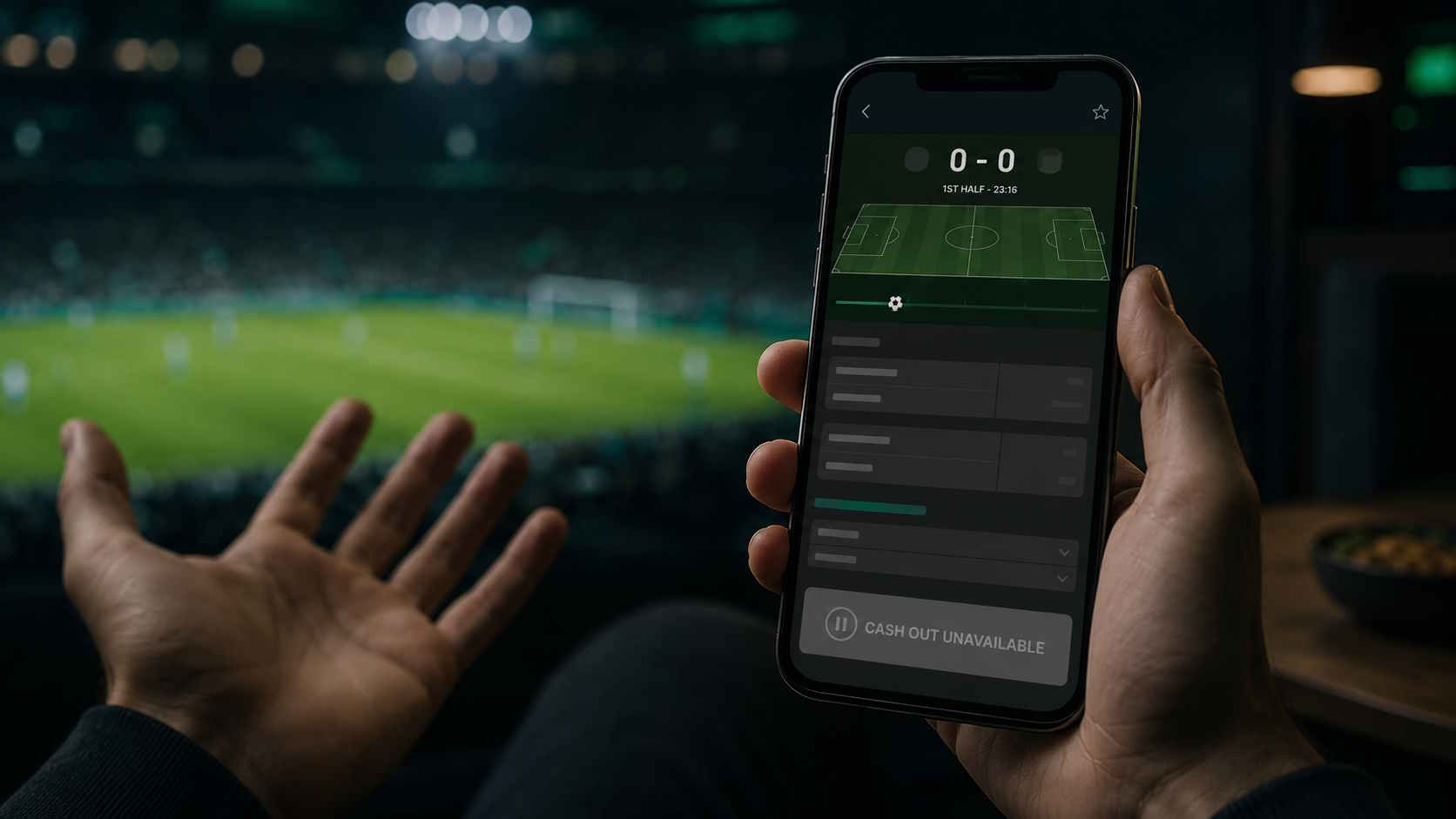
Account-level tools: UK bookmakers and casinos are required to offer deposit limits, session time reminders and cool-off periods. Tools such as reality checks are used to remind gamblers of their session duration, prompting a pause when a set time has passed. These are useful whether you play on gambling websites, apps or visit casinos in person.
Gambling blocking software: Device-level apps like Gamban and BetBlocker block access to gambling sites across phones, laptops and tablets. They work alongside operator tools to add another layer of control.
Marketing controls: Unsubscribe from gambling emails, SMS and push notifications. Reducing exposure to promotional messages makes it easier to step away. The UK government’s 2023 White Paper proposed stricter rules on bonus offers to stop them targeting vulnerable players.
These tools are useful for self help and for people supporting a loved one who is struggling with gambling.
Self-Exclusion in the UK: GAMSTOP and Other Schemes
Self exclusion is a formal way to block yourself from gambling for a set period. It’s useful if limits and self-help strategies are not enough.
GAMSTOP is a national self-exclusion scheme in the UK for online gambling. It’s free. When you register at gamstop.co.uk, you’re blocked from all gambling sites licensed in Great Britain. As of mid-2026, over 600,000 people have registered, with more than 525,000 actively excluded.
Land-based schemes cover betting shops (MOSES), arcades (Sense) and casinos. You can arrange exclusion in your local area through these programmes. Between April 2025 and 2026 there were over 9,000 active self-exclusions via MOSES and more than 12,000 via Sense.
Choosing a length. Options typically range from six months to five years. Over half of GAMSTOP users choose five years. Shorter periods are more common among younger users who may be using self-exclusion as a preventive tool.
Self-exclusion works best when combined with emotional and practical support – counselling via GamCare, time-outs or NHS clinics. Access to support services significantly reduces the risk of returning to gambling once a period ends.
Getting Professional Help in the UK
There are clear routes to professional help for gambling addiction and gambling-related harms across the UK.
Your GP can be the first contact. They can discuss your situation, assess your mental health and refer you to specialist gambling services. Self-referral is also accepted by many NHS clinics.
NHS specialist clinics. NHS gambling treatment clinics are available across England, including the National Centre for Behavioural Addictions and regional services. In early 2022, the NHS launched two new gambling addiction clinics to expand access. Cognitive Behavioural Therapy is effective for gambling addiction and is the primary treatment approach used.
GamCare operates the National Gambling Helpline 24/7. In 2025–26, the service handled over 114,000 contacts and provided more than 10,300 treatment sessions. Average clinical harm scores dropped from around 14.4 before treatment to about 3.3 afterwards. Nearly 97% of people finishing treatment reported positive change.
GambleAware at begambleaware.org acts as a central hub listing local services, self-help tools and information about treatment options across the UK. Gambling addiction affects 1.4 million people in the UK – most people who seek help wish they had done so sooner.
Supporting a Loved One with a Gambling Problem
Watching a loved one struggle with gambling is difficult. Support is available for families as well as the person gambling.
How to talk about it. Choose a calm, private time. Use “I” statements – “I feel worried when I see this” – rather than blame. Focus on specific behaviours and their negative impact, not labels. Avoid words like “addict” and talk instead about the gambling problem and what you’ve noticed.
Set clear boundaries around money. Do not lend cash. Limit access to joint funds and shared accounts. If someone’s gambling has created debt that is affecting your family, seek free debt advice (see below).
Services for affected others. GamCare’s support for affected others offers advice and listening. Support groups like GamAnon provide peer help for partners, friends and family. Information is also available through GambleAware.
Look after your own mental wellbeing. Consider counselling or local support groups if someone’s gambling is affecting your daily life.
Money, Debt and Recovering Financial Control
Dealing with debt is often vital to long-term recovery and relapse prevention.
Practical first steps:
- List all debts and prioritise essential bills – rent, council tax, utilities
- Cancel unused gambling accounts and remove stored payment methods
- Close or freeze any account linked to gambling sites
Free debt advice services such as StepChange, National Debtline and Citizens Advice offer confidential help. They can negotiate with creditors and set realistic repayment plans. These services are free and available in many areas across the UK.
Separate your money. Consider a basic bank account without an overdraft, use cash envelopes for essentials, or pay bills by direct debit on payday. Limiting access to large sums reduces the temptation to fund gambling or chase losses.
Improving financial stability can reduce the urge to gamble to “win back” what you’ve lost money on, supporting both mental health and long-term recovery.
Looking After Yourself After You Stop Gambling
Stopping or reducing gambling is a process, not a single event. Maintaining progress means building new habits and managing triggers.
Build new routines. Replace gambling time with other things – hobbies, exercise, social activities, time with supportive people. A positive structure helps fill the gap that gambling leaves behind.
Manage triggers. Identify situations, feelings or apps that lead to urges. Plan alternative actions: calling a friend, going for a walk, or using a relaxation technique. If certain websites or apps are a trigger, keep your gambling blocking software active.
Slip-ups are not the end. They are signals to seek extra support rather than reasons to give up on recovery. Ongoing use of support groups, counselling or online communities can help you stay connected. Gamblers Anonymous Scotland, for example, has daily meetings for support. Similar groups operate across the UK.
Consider staying in touch with services via GamCare or other charities. Many people find that peer support and honest conversations make the biggest difference over time.
Where to Find Reliable Information and Help
Trustworthy information is essential when dealing with a gambling problem, whether for yourself or someone else.
Key resources:
| Service | What they offer | How to access |
|---|---|---|
| GambleAware | General information, service finder, self-help tools | begambleaware.org |
| GamCare | Helpline, live chat, structured treatment | gamcare.org.uk / 0808 8020 133 |
| NHS gambling support | Clinical information, access to NHS clinics | nhs.uk |
| GAMSTOP | Free online self-exclusion | gamstop.co.uk |
Be cautious of any website promising guaranteed wins or quick fixes – rely on established UK charities and NHS resources. If you want to learn more about saying no to gambling, Bonus Code Poker will always aim to point readers towards official safer gambling information and support services.
Frequently Asked Questions
Is gambling addiction officially recognised as a mental health condition in the UK?
Yes. Gambling disorder is recognised internationally as a behavioural addiction. In the UK, it is treated within mental health services using evidence-based psychological therapies such as CBT. NHS gambling clinics offer assessment and treatment for both gambling behaviour and underlying issues like anxiety or depression. This article cannot diagnose anyone – a GP or specialist service is the right place for a formal assessment.
Can I get free help even if I have not completely stopped gambling yet?
Absolutely. You do not need to stop gambling before asking for help. Services like GamCare and NHS clinics support people at all stages, whether you want to cut down, understand the odds of harm, or stop completely. Contact the National Gambling Helpline or visit gamcare.org.uk for a confidential chat. You can also use partial tools – deposit limits, time-outs – while exploring longer-term treatment options. There is a range of support available regardless of where you are in the process.
What if I am mainly worried about someone else’s gambling?
Friends, partners and family members can access support in their own right, even if the person gambling does not seek help. GamCare offers dedicated advice for affected others, and family-focused groups such as GamAnon provide peer support. Talking to a professional can help you set healthy boundaries, protect your own wellbeing and answer concerns about how to respond.
Are online gambling and betting apps more risky than in-person gambling?
Online gambling and mobile apps are available around the clock, can feel less “real” than handing over cash, and make it easier to lose track of time and money. In-play betting, casino games and slot machines online can be particularly fast-paced, increasing risk. Using tools like GAMSTOP, blocking software and reality checks is especially important for anyone who regularly uses gambling websites and apps. A drug problem or alcohol issue alongside gambling can heighten vulnerability further – seek combined support if needed.
Can responsible gambling tools really help me stop gambling completely?
Tools like deposit limits, self exclusion and blocking software cannot guarantee abstinence, but they remove opportunities and reduce harm. They work best when combined with emotional support, counselling and honest conversations with people you trust. If you feel you need to stop gambling altogether, use these tools alongside professional help from NHS services, GamCare and other UK charities. Most people find that a combination of practical tools and human support gives them the best chance of lasting change.
Please gamble responsibly. Safer gambling support

Important Disclosure
#AD – Bonus Code Poker is an affiliate of the brands we promote throughout this site. While we strive to maintain accuracy throughout our content, we do receive compensation for this promotion.