What Does SP Mean In Betting And Why Is It Important In Horse Betting!
An updated look at what SP and other betting terms and acronyms mean.
If you’ve ever placed a bet on horse racing in the UK or Ireland, you’ve almost certainly come across the letters “SP” on your bet slip or screen. Understanding what SP means in horse racing is fundamental to making informed betting decisions, whether you’re backing a favourite at Cheltenham or taking a punt on an outsider at your local track.
This article breaks down everything you need to know about SP, along with other common racing acronyms, essential terminology, how to read a racecard, and promotions like Best Odds that can directly affect your returns.
Quick answer: what does SP mean in betting?
SP stands for Starting Price – the official odds recorded for a horse at the exact moment a race begins. In horse racing, what does SP mean in horse racing? It refers to the final odds available at the start of the race, which are used to settle bets. When you back a horse “at SP” rather than taking fixed odds, your bet will be settled at this final price instead of the price displayed when you placed your wager.
- SP is the industry sp and industry-standard method for settling bets across UK and Irish horse racing, as well as greyhound racing
- The starting price means you accept that odds will fluctuate until the race starts – your payout is determined by the market at the off
- SP is particularly relevant when Best Odds offers are available, since firms like bet365 will pay you the better of your taken price or the SP if it’s higher
- SP is important because it plays a key role in settling bets such as Forecasts and Tricasts, and helps maintain order in the betting market by providing a fair, market-driven alternative to fixed odds
- For punters who believe a horse might drift to higher odds before the race, taking SP can result in improved odds compared to locking in an early fixed price
What does SP stand for and how does it work in horse racing?
The Starting Price is the industry-agreed official odds on each runner at the off time of the race. In the context of horse racing, sp mean in horse is the official starting price at the beginning of the race. It represents the final price in the betting market just before the field jumps or the stalls open.
Betting markets typically open the day before ordinary meetings, giving punters plenty of time to study form and place bets. For bigger races like the Cheltenham Festival in March or Royal Ascot in June, markets can open weeks or even months in advance through ante post betting.
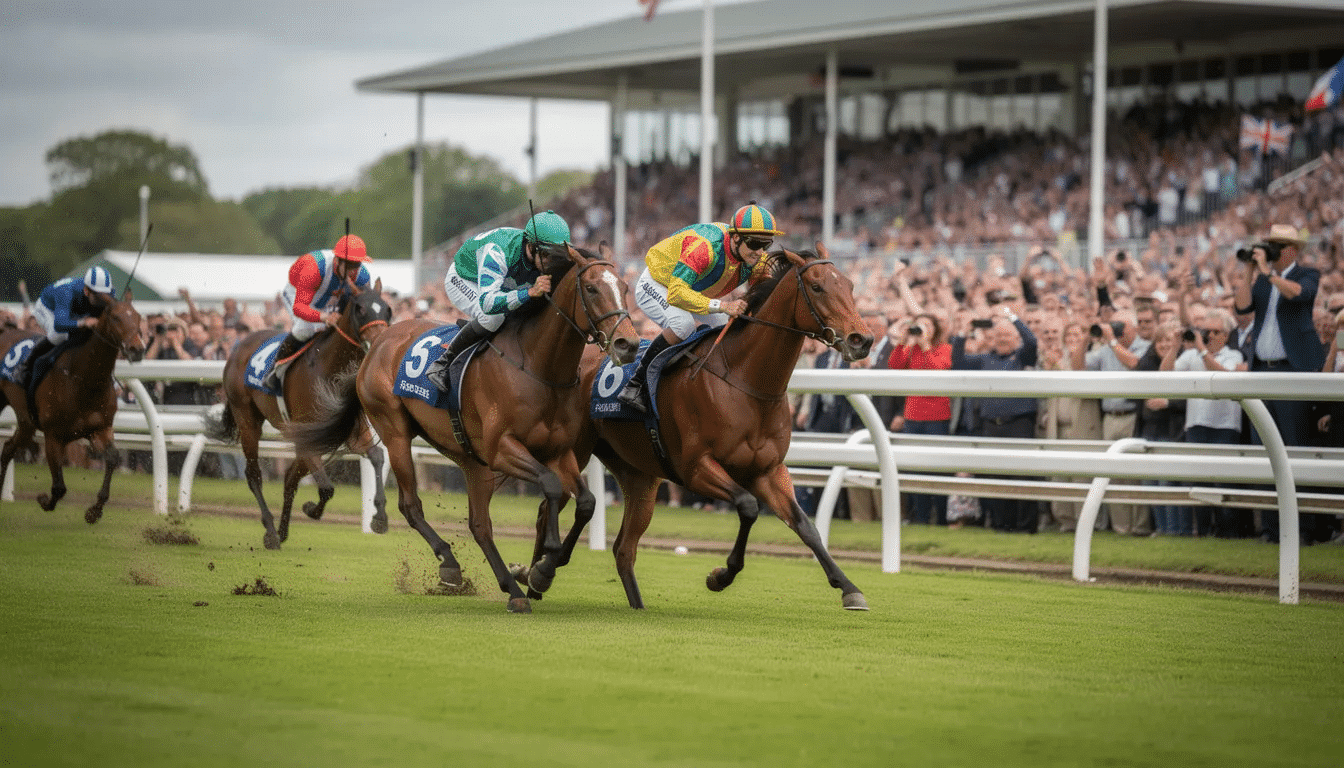
Between the time markets open and the race starts, odds move constantly. This can happen due to several factors: the weight of money being placed on particular horses, changes to the going (ground conditions), withdrawals creating non-runners, or fresh information about a horse’s form and fitness. A horse that opens at 10/1 in the morning might be backed down to 6/1 by the afternoon, or drift out to 14/1 if punters cool on its chances. The SP is influenced by the amount of money wagered on each horse, as bookmakers adjust odds to balance their liabilities.
When you select SP on your bet slip, you’re accepting that your final return will be based on whatever the official starting price is when the race actually starts – not the price shown at the time you placed your bet. For example, if you back a horse at SP when the current odds show 8/1, but money comes for the horse and the SP ends up at 5/1, your winnings are calculated at 5/1.
Conversely, if you back at SP and the horse drifts from 8/1 to 12/1 by the off, you benefit from those longer odds. This is the gamble inherent in SP bets – you’re effectively betting on where you think the market will settle.
The starting price also serves as a reference for settling other bet types, including certain forecast, tricast and Tote pools, and provides the official record for racing archives and statistics.
How is the Starting Price (SP) calculated?
The SP is calculated through a regulated process in the UK and Ireland designed to ensure fairness across all bookmakers and punters.
Historically, the starting price was determined primarily by the odds offered by on course bookmakers standing in the betting ring at the track. A representative would observe the live prices being shouted by bookies just before the off and record a fair reflection of the market consensus.
Modern practice has evolved significantly. After the changes brought about by COVID-19 in 2020 and the continued growth of online betting, the Starting Price Regulatory Commission now uses a panel of major off-course bookmakers to calculate the SP for most races. This panel typically includes firms like Bet365, Betfred, Ladbrokes, Paddy Power, Sky Bet, Unibet, and William Hill.
The calculation method works as follows:
- All the odds from participating bookmakers are collected for each horse just before the race starts
- These prices are ordered from the longest odds to the shortest odds
- The list is then divided into two equal halves
- The official SP is the shortest price in the half that contains the longest odds
This approach avoids a simple average, which could be distorted by one or two extreme prices from outlying bookmakers. Instead, it aims to reflect what most bookmakers were actually offering.
Here’s a practical example. Imagine five bookmakers offer these prices on a horse: 7/1, 6/1, 5/1, 9/2, 4/1. Ordered from longest to shortest, that’s 7/1, 6/1, 5/1, 9/2, 4/1. Split into two halves, the longer half contains 7/1 and 6/1, while the shorter half contains 5/1, 9/2, and 4/1. The shortest price in the half with the longer odds is 6/1 – so that becomes the official SP. This ensures the SP, or a better price, was genuinely available from at least half of the sampled bookmakers.
SP in greyhound racing: what you need to know
In greyhound racing, the Starting Price (SP) plays a pivotal role in how bets are settled and winnings are calculated. Just like in horse racing, the SP in greyhound racing refers to the official odds available on each dog at the exact moment the race begins. When you place a bet at SP, you’re choosing to have your payout determined by the final odds set by the betting market right as the traps open.
The starting price is calculated based on the odds offered by bookmakers in the minutes leading up to the race. As punters place their bets and the market reacts to new information or betting patterns, the odds can fluctuate. The SP is then established as a fair reflection of the prices most widely available at the start of the race, ensuring that all bettors who selected SP receive the same final odds.
Understanding how the SP is calculated in greyhound racing is important for anyone looking to maximize their returns. The process is designed to be transparent and fair, with the final price reflecting the consensus of the betting market rather than any single bookmaker’s odds. This means that if you back a greyhound at SP, your winnings will be paid out at the official starting price, regardless of what the odds were when you placed your bet.
For punters, being aware of the role of SP in greyhound racing can help you decide whether to take the current fixed odds or wait for the starting price, especially in races where the market is volatile and odds are likely to change. By understanding how the SP is determined and how it affects your potential payout, you can make more informed betting decisions and take full advantage of the opportunities in the greyhound racing market.
SP vs fixed odds vs Early Price (EP)
Horse racing bettors will typically see several pricing options when placing a bet: Early Price, current fixed odds, and the option to take SP. Understanding the difference helps you decide which approach suits your betting style.
Early Price (EP) refers to the first set of odds offered on a race, often posted the evening before or on the morning of the meeting. Some punters call these “morning prices.” Early prices are available before the full market develops, and they can offer value if you spot something the market hasn’t yet factored in.
Fixed odds means you lock in the price at the moment you place your bet. Your returns are determined right then – even if the market moves sharply afterwards, your payout doesn’t change. If you back a horse at 6/1 fixed and it shortens to 3/1 by the off, you still receive 6/1.
SP, by contrast, means you do not know your final odds when you place the bet. Your payout is calculated at whatever the official starting price turns out to be when the race begins.
When might SP be the better choice? If you suspect a horse will drift – perhaps it’s being talked down by tipsters or there’s doubt about the ground – taking SP allows you to benefit from those fluctuating odds. If the horse drifts from 4/1 to 7/1, your SP bet pays at the longer price.
When are fixed odds or EP preferable? If you expect a horse to be heavily backed – a strong stable gamble or a popular tipster’s nap – the price will likely shorten. Locking in early at 8/1 beats watching it contract to 4/1 by post time.
The good news is that promotions like Best Odds, offered by firms including bet365, reduce the need to choose perfectly. With BOG, if you take a fixed price and the SP ends up being bigger, the bookmaker pays out at the higher odds anyway. This effectively gives you the best of both worlds on eligible races.
Other common horse racing betting acronyms (SP, E/W, NR, EP)
Racing is full of abbreviations on bet slips and racecards. Knowing what they mean helps you place smarter bets and understand settlement rules.
- SP (Starting Price): The official odds at the start of the race, used to settle bets when you select “SP” instead of taking fixed odds.
- E/W (Each Way): A way bet that’s effectively two bets in one – a win bet and a place bet. If your horse wins, both parts pay out. If it finishes in the places (typically top 2, 3, or 4 depending on field size and race type), only the place part pays, usually at a fraction of the win odds (commonly 1/4 or 1/5). Each way bets double your stake since you’re placing two separate bets.
- EP (Early Price): The early or morning fixed odds, typically available before final declarations or overnight. Taking EP locks in that price for your bet.
- NR (Non-Runner): A horse that was declared to run but has since been withdrawn. When a non-runner affects your bet, win singles are generally void and stakes returned. For accumulators and multiples, the bet continues without that selection. Rule 4 deductions may apply to winning bets on other horses in the same race if a non-runner significantly affected the market.
- BOG (Best Odds): A promotion where the bookmaker pays the better of your fixed price or the SP if the starting price is higher. This is particularly relevant when deciding between taking early odds or waiting for SP.
Key horse racing betting terminology explained
Beyond acronyms, horse racing has its own jargon that punters encounter daily. Here’s what the most common terms actually mean.
Nap: A tipster’s strongest selection of the day – their most confident pick. When a racing journalist or tipster gives their “nap,” they’re saying this is the horse they believe has the best chance of winning across all the day’s races.
Accumulator (Acca): A multiple bet combining several selections where all must win for the bet to pay out. The odds multiply together, so a four-horse accumulator at 2/1, 3/1, 4/1, and 5/1 would return significant profit from a small stake. However, one loser means the entire bet loses.
Forecast: A bet predicting which two horses will finish first and second. A straight forecast requires you to name them in the correct order. A reverse forecast covers both possible orders but costs double the stake.
Tricast: Predicting the first three horses home in correct order. A combination tricast covers all possible finishing orders of your three selections (six combinations, so six times the unit stake). Tricasts are harder to land but offer much higher potential returns.
Tote: Pool betting where all stakes on a particular bet type go into a central pot. Dividends are then paid out based on the share of the pool won, minus a deduction for running costs. Common Tote products include Win, Place, Exacta (similar to a forecast), Placepot (picking a placed horse in each of six races), and the Jackpot.
Handicap: A race where horses carry different weights to level the playing field. The official handicapper assigns weights based on each horse’s rating – better horses carry more weight to give lesser horses a theoretical chance.
Non-Runner No Bet (NRNB): A promotion, common for ante post bets on bigger races, where your stake is refunded if your horse doesn’t run. Particularly valuable for ante post price bets on events like the Grand National where horses may be withdrawn closer to race day.
Understanding the racecard: what information can you use?
The racecard is the essential tool punters use to study a race. Whether you’re viewing it on a betting site, in a newspaper, or on a racecourse display, understanding each element helps you make better-informed selections.

Number: The racecard or cloth number worn on the horse’s saddlecloth. This is how the horse is identified in betting and commentary. Number 1 is typically the top weight in a handicap or the first horse alphabetically in other races.
Draw: The stall number in flat races using starting stalls. At certain courses, low or high draws offer advantages depending on track layout and distance. For example, at Chester over five furlongs, a low draw is generally considered beneficial due to the tight left-handed bends.
Form figures: The string of numbers and letters next to the horse’s name summarising recent results. Reading left to right shows oldest to most recent. For example, “321-4F” means third, then second, then first, then a break (indicated by the hyphen, usually meaning a new season), then fourth, then fell. Common letters include F (fell), P (pulled up), U (unseated rider), and R (refused).
Jockey: The rider of the horse. Punters often favour top jockeys like Ryan Moore or William Buick, or look for specialists at particular tracks. Jockey bookings can indicate stable confidence – a leading rider being booked often signals the trainer expects a good run.
Trainer: The person licensed to prepare the horse. Trainer form, measured by recent winners and strike-rate, is a key factor. Some trainers excel at specific courses or race types, and noting who’s in form can provide an edge.
Handicap weight: The weight the horse must carry, shown in stones and pounds (e.g., 9-7 means nine stone seven pounds). In handicaps, this weight reflects the horse’s official rating – higher-rated horses carry more weight.
Age and sex: Racecards show the horse’s age and whether it’s a colt, filly, gelding, or mare. This matters in age-restricted races or when assessing how a horse might develop.
Jockey colours (silks): Each owner registers specific colours with racing authorities. Viewers use these to identify horses during a race. The colours are described on racecards (e.g., “red, white star, blue cap”).
Additional symbols: Common marks include “C” (course winner), “D” (distance winner), and “CD” (course and distance winner). Equipment notes like “b” for blinkers or “t” for tongue tie indicate gear changes that might affect performance.
Common bet365 horse racing promotions and features
Many online bookmakers run promotions that interact directly with SP and fixed odds. Understanding how these work helps you extract maximum value from your horse racing bets.
Best Odds: On eligible UK and Irish horse racing, bet365 offers BOG on race day. If you take a fixed price and the SP returns higher, bet365 settles the bet at the bigger SP. For example, you back a horse at 4/1 in the morning, but by the off it’s drifted and the SP is 6/1 – your winning bets pay out at 6/1, not 4/1. This removes much of the pressure around timing your bet perfectly.
Each Way Extra: This feature allows customers to alter the number of places paid on each way bets in exchange for adjusted odds. Want more places covered? The odds shorten. Willing to accept fewer places? You get bigger odds. It gives punters flexibility to tailor the bet to their risk appetite.
6 Horses: This type of multi-selection offer involves picking horses across specified races, with bonuses or bonus bets potentially triggered based on how your selections perform. The exact terms vary, so check the current promotion details.
Position Payout and Racing Value: These promotions may pay out on additional places beyond the standard each way terms or offer enhanced odds on selected races. They’re often linked to major meetings like the Grand National, Cheltenham Festival, or Royal Ascot, providing extra value on the sport’s biggest days.
Live streaming and Horse Racing Archive: bet365 customers can watch live UK and Irish races when they place a qualifying bet of at least £0.50 win or £0.25 each way. The Horse Racing Archive also lets you watch race replays – extremely useful for studying form, seeing how horses travel, and analysing past performances before placing future bets.
As with any promotion, terms and conditions apply, and offers can change. Always check the latest details directly on bet365 and gamble responsibly.
Putting it all together: using SP and racing terminology on bonuscodepoker
SP is simply the official starting price used to settle many horse racing bets – the final odds at the moment the race starts. Understanding how it compares to fixed odds and early prices helps you decide when to lock in a price and when to let the market run.
The acronyms and terminology covered here – SP, E/W, EP, NR, plus nap, accumulator, forecast, tricast and Tote – all fit together in a single betting ecosystem. Once you’re comfortable with these terms, reading a bet slip or following racing coverage becomes straightforward.
Combine that knowledge with the ability to read a racecard confidently – assessing form, jockey, trainer, handicap weight, draw, and silks – and you’re in a much stronger position to identify value. Factor in promotions like Best Odds and Each Way Extra, and you can ensure you’re getting the best possible returns when your selections win.
Next time you place a horse racing bet, apply what you’ve learned here. Check the current odds, consider whether SP or fixed odds suits your view, and always bet responsibly within your means.
Please gamble responsibly. Safer gambling support

Important Disclosure
#AD – Bonus Code Poker is an affiliate of the brands we promote throughout this site. While we strive to maintain accuracy throughout our content, we do receive compensation for this promotion.